The Royal Edinburgh Military Tattoo: Where Scotland’s History Comes Alive
Originally published 1 August 2025
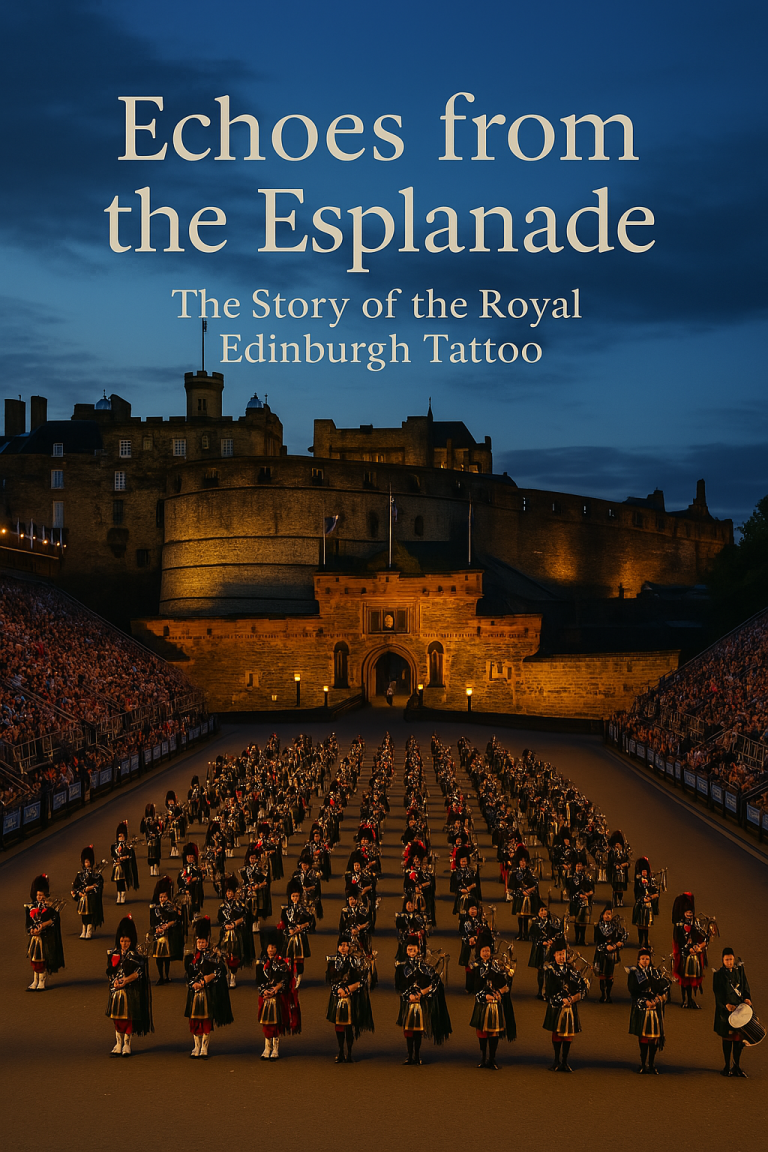
Each August, beneath the majestic silhouette of Edinburgh Castle, thousands gather to witness a spectacle unlike any other: the Royal Edinburgh Military Tattoo. But this world-renowned event isn't just a performance — it's a story woven from Scotland’s proud military traditions, cultural resilience, and global connections.
The word “tattoo” doesn’t refer to body art but harks back to the 17th-century Dutch phrase doe den tap toe — “turn off the tap.” It was a signal for tavern keepers to stop serving so soldiers could return to their barracks. Over time, these nightly rituals evolved into full-blown military displays.
Scotland first hosted an official "Military Tattoo" in 1949 as part of the Edinburgh International Festival. It was modest — just eight military bands performing in Princes Street Gardens. But the concept struck a chord.
In 1950, the first formal Edinburgh Military Tattoo was staged on the Esplanade of Edinburgh Castle. It drew nearly 6,000 spectators, with massed pipes, drums, and highland dancers igniting patriotic fervour. The event’s location, flanked by history, gave it gravitas and symbolism — linking Scotland’s martial past with contemporary pride.
By the late 1960s, it had earned royal patronage and international acclaim. Its broadcasts reached millions across the globe, showcasing not only British forces but performers from allied nations — a nod to cooperation and peace after the hardships of war.
Today’s Tattoo is more than a military display — it’s an intercultural celebration. Countries from New Zealand to Nigeria have taken part, bringing drumming troupes, ceremonial dancers, and acrobatic displays to the Castle Esplanade.
The themes often reflect current global conversations — unity, heritage, remembrance — all expressed through carefully choreographed sound and movement.
While the event is steeped in history, it’s never static. Recent editions have incorporated advanced lighting effects, projections onto the castle walls, and contemporary music arrangements. Yet, the massed pipes and haunting solo piper closing the night remain sacred highlights.
For many, attending the Tattoo is a rite of passage — a moment of awe, pride, and connection. Veterans find recognition, performers share their heritage, and spectators carry home the echo of bagpipes beneath the stars. The Tattoo donates millions to military charities, preserving its purpose beyond performance.
While the Tattoo dazzles with military precision and theatrical flair, its roots stretch deep into the genealogical soil of Scotland. Beneath every tartan and behind each regiment lies a tapestry of ancestral stories — families who have carried tradition through centuries of service, artistry, and cultural preservation.
In the vibrant swirl of kilts and the resonant cry of bagpipes, the Royal Edinburgh Military Tattoo becomes more than a performance — it transforms into a living archive of Scotland’s families. Every march across the Esplanade echoes with ancestral footsteps, reminding us that heritage is not just remembered, but performed and passed on. Whether through regiment, tartan, or tune, historical families continue to shape the Tattoo's soul — one generation at a time.
Do you have ancestral ties to one of Scotland’s regiments? Did a grandparent play the pipes on the Esplanade, or does your family's tartan feature in the Tattoo’s dazzling mosaic? If the Tattoo has touched your heritage or inspired your family in any way, we’d love to hear your story. Share your connection — whether it’s a marching memory or a genealogical discovery — and help us add new voices to this living legacy.