
The Iolaire Tragedy: Scotland’s Silent Wound
Originally published 7 November 2025
In the early hours of New Year’s Day 1919, the Isle of Lewis was poised for celebration. After four years of war, hundreds of island men were finally coming home. Families had prepared fires, food, and warm embraces. But what arrived instead was silence, broken only by the sound of waves and grief.
The HMY Iolaire—meaning “Eagle” in Gaelic—was a Royal Navy yacht tasked with ferrying servicemen from Kyle of Lochalsh to Stornoway. She was overcrowded, carrying nearly 300 men, most of them from Lewis and Harris. As she approached Stornoway harbour in the early hours of new year’s morning, in poor visibility and rough seas, the vessel struck the Beasts of Holm—a notorious reef just yards from shore. Within minutes, she was wrecked.
Of the 280 aboard, 201 drowned. Many were within sight of land. Some clung to the rigging for hours. Others were swept away as they tried to swim. Only 79 survived, and many of those were left with lifelong trauma. The tragedy was so vast that it touched nearly every household in Lewis. One woman lost her husband, two brothers, and three cousins. Another, pregnant and waiting at the harbour, collapsed when she learned her husband had drowned.
The scale of the loss was staggering. Lewis had already lost over 1,000 men in the war—more than any other British community per capita. The Iolaire added a final, cruel blow. The island ran out of coffins. The dead were laid out in the Drill Hall, and funeral processions stretched for days. The Stornoway Gazette called it “the blackest day in the history of the island.”
What makes the Iolaire tragedy so haunting is its bitter irony. These men had survived the war—only to die within sight of home. The shipwreck became a symbol of fate’s cruelty, and for decades, it was barely spoken of. Survivors were reluctant to share their stories. Families buried their grief in silence. The trauma was too deep, too raw.
The official inquiry offered little comfort. Held behind closed doors, it concluded that the ship had veered off course, possibly due to navigational error. Some speculated that the crew had been drinking. Others blamed poor charts or the lack of a local pilot. But no one was held accountable. The silence continued.
And yet, the Iolaire is not just a story of devastation. It is a story of resilience. The people of Lewis and Harris carried on. They rebuilt their lives, raised children, and kept the memory alive in quiet ways. Gaelic songs, poems, and oral histories preserved the pain and honoured the dead. In recent years, that silence has begun to lift. Memorials have been erected. Books and documentaries have explored the tragedy. Artists and descendants have reclaimed the story, not as a wound, but as a legacy.
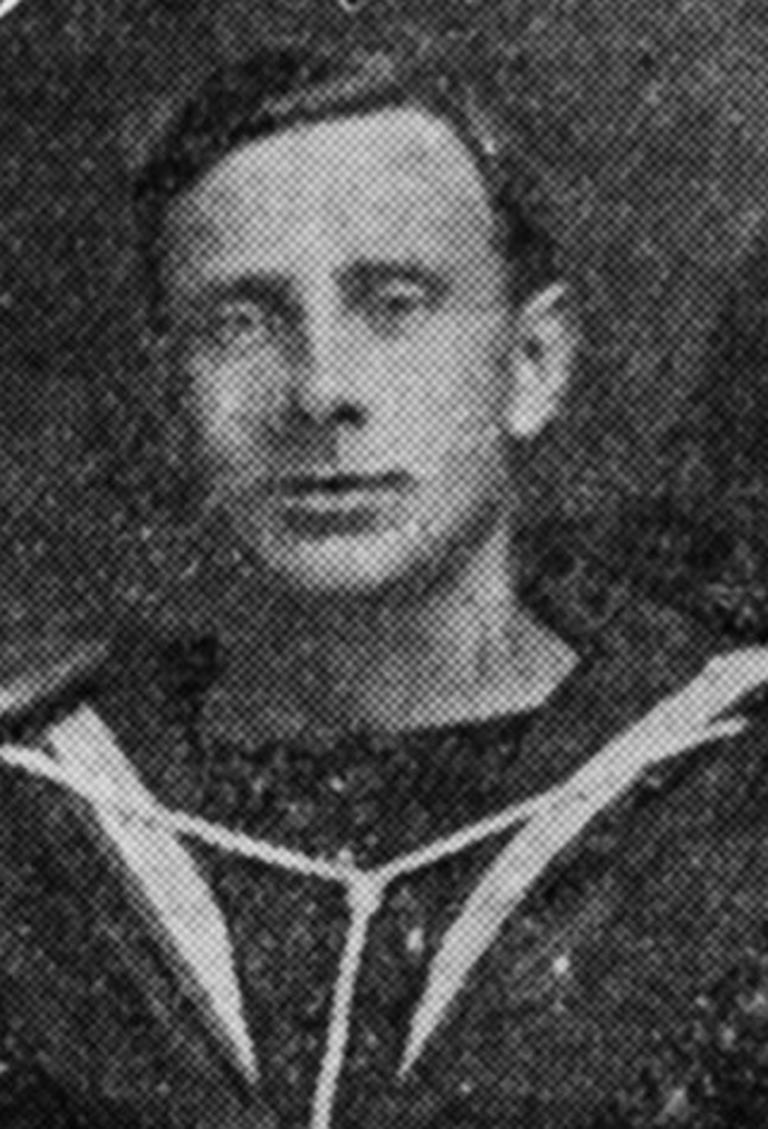
Among the survivors was John F. MacLeod of Ness, whose bravery saved dozens. As chaos unfolded, MacLeod grabbed a rope, handed one end to a man onboard, and prepared to swim ashore. The sea was violent, the waves relentless. He was pushed back repeatedly, further from shore than when he began. But he persisted, keeping afloat and timing his effort with the crest of a wave. Eventually, he was thrown onto the rocks and managed to cling on. That rope became a lifeline—about 40 men used it to reach safety.
MacLeod’s feat was extraordinary. The water was freezing. The wreck site was exposed to gale-force winds. Experienced swimmers could not survive unaided. Yet his determination and timing allowed him to establish the only viable escape route. Survivors later described him as the reason they lived. His act is now commemorated in sculpture near the memorial at Holm—a rope cast in bronze.
To reflect on the Iolaire is to confront the fragility of peace, the cruelty of fate, and the enduring strength of remembrance. It reminds us that history is not just dates and facts—it is grief carried in silence, and love that outlasts loss.
The photograph is John Finlay MacLeod.