Robert Burns: Scotland’s Voice Across the Centuries
Originally published 25 January 2026
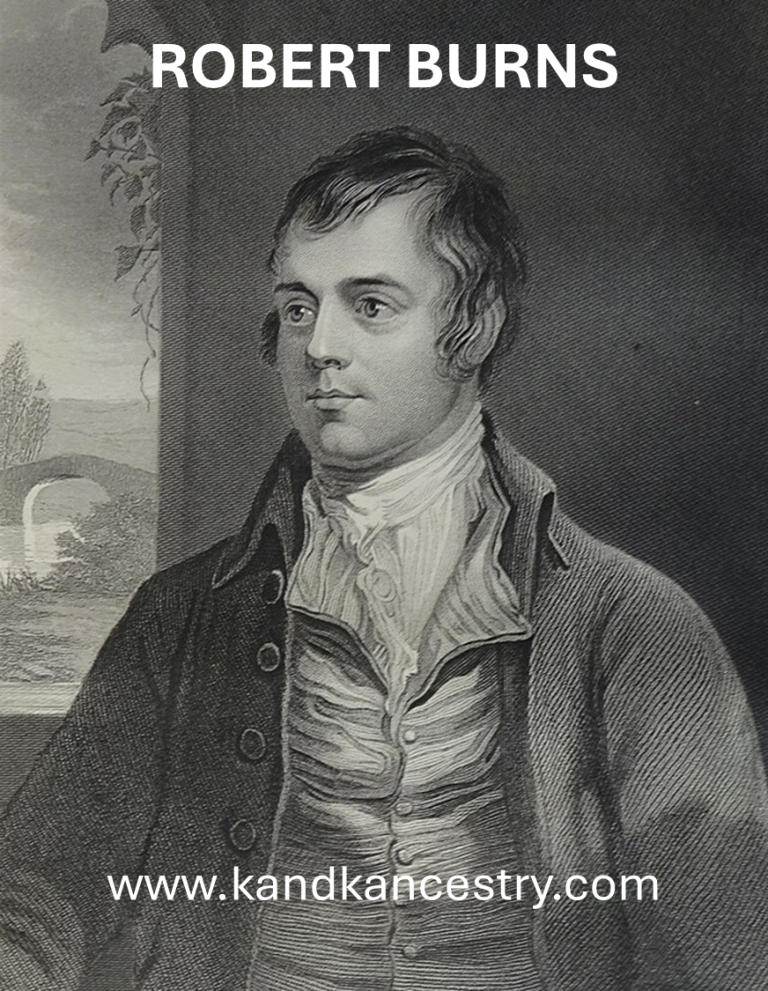
Few figures loom as large in Scotland’s cultural landscape as Robert Burns, the ploughman poet born in Alloway in 1759. More than two centuries after his death, his words still echo in songs, suppers, and celebrations across the world. But what makes Burns endure? Why does a farmer’s son from Ayrshire remain Scotland’s national poet and a global cultural icon?
Burns grew up in a world of hard labour and harder winters. His father, William Burnes, struggled to keep small farms afloat, and young Robert spent long days working the land. Yet even in the fields, poetry found him. He composed verses while cutting corn, turning toil into rhythm and observation. This grounding in rural life shaped some of his most beloved works, including To a Mouse and Halloween, which capture the humour, hardship, and humanity of everyday Scots.
Despite limited formal schooling, Burns devoured books—Shakespeare, Milton, Dryden, and the great Scottish poets. This blend of folk tradition and literary ambition gave his writing its unique texture: earthy yet eloquent, satirical yet sincere. His first collection, Poems, Chiefly in the Scottish Dialect (1786), stunned Edinburgh’s literati and earned him the nickname “The Heaven-taught Ploughman.”
Burns wasn’t only a poet—he was a passionate preserver of Scotland’s musical heritage. He collected, adapted, and refined hundreds of traditional songs, ensuring they survived into the modern era. Among them is Auld Lang Syne, now sung worldwide at Hogmanay and New Year gatherings. His lyrical gifts also shine in Ae Fond Kiss, A Red, Red Rose, and Scots Wha Hae, the latter serving for years as an unofficial national anthem.
Recent research highlights how Burns helped transform haggis from a humble peasant dish into a symbol of Scottish pride. His playful yet powerful poem To a Haggis didn’t just praise the food—it elevated it. Scholars argue that Burns used the dish as a cultural statement, celebrating Scottish identity at a time when national confidence was shifting. Today, more than 9.5 million people celebrate Burns Night each year, reciting his words before cutting into the “great chieftain o’ the puddin’-race.”
Held annually around January 25th, Burns Suppers are a heartfelt celebration of the poet’s life and legacy. They blend ceremony and humour, with readings of Burns’ work, the piping in of the haggis, and the famous Address to a Haggis. Whether formal or casual, these gatherings honour Scottish culture, language, and community spirit—often ending with a rousing rendition of Auld Lang Syne.
Burns lived intensely—romantic, rebellious, and often controversial. His relationships, his political commentary, and his refusal to bow to rigid moral expectations made him both admired and criticised in his own time. Yet this complexity is part of his enduring appeal. Burns wrote about real people, real struggles, and real emotions. He championed equality in A Man’s a Man for A’ That, long before such ideas were fashionable.
Burns’ legacy is more than literary—it’s cultural, emotional, and deeply communal. His work has inspired movements from Romanticism to civil rights, and continues to resonate with people seeking dignity, justice, and belonging. From schoolchildren learning Tam o’ Shanter to diaspora communities hosting Burns Suppers abroad, his voice remains a living part of Scotland’s story.
Burns didn’t just write poetry—he gave Scotland a voice. And every January, when we gather to share stories, songs, and suppers, we honour not just the man, but the spirit of a nation he helped shape.
As we gather to honour Scotland’s national poet, may your Burns Night be filled with good company, good food, and the timeless words that continue to bind us together. In the spirit of the Bard himself:
“Fair fa’ your honest, sonsie face,
Great chieftain o’ the puddin’-race!”
A joyful reminder of Burns’ humour, pride, and celebration of Scottish identity.
Wishing everyone a warm, heartfelt, and memorable Happy Burns Night.